

15.01.2027 19:00
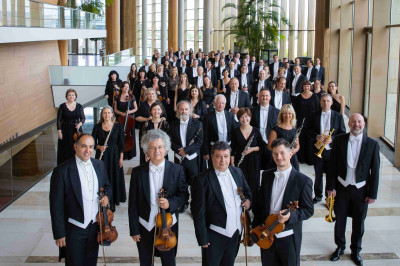
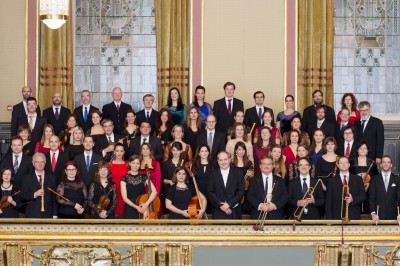
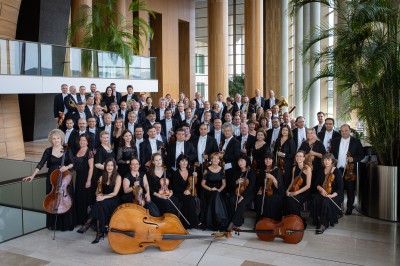
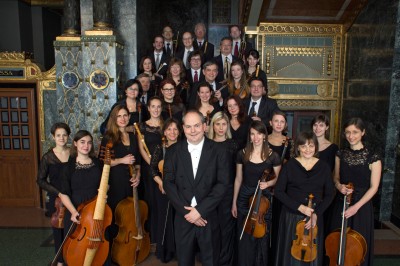
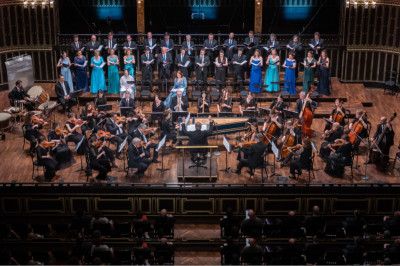
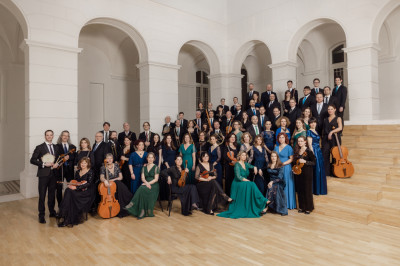
Budapesti Fesztiválzenekar
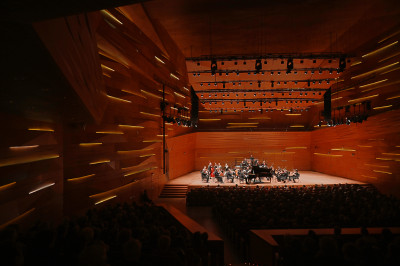
Pécs, Kodály Központ
Master Season Ticket - Pécs
Season tickets


Tickets can be purchased at the Kodály Center (Pécs, Breuer Marcell Promenade 4; +36 72 500 300), at Ticket Express offices, at the following Pécs Diocese info points during opening hours: Rózsakert Shop (Pécs, Janus Pannonius St. 10), Pécs Cathedral (Pécs, Dóm Square 1), at the venue before the concert, and online at www.jegymester.hu.
Ticket discounts:
We offer a 10% discount for students, pensioners, and Tüke Card holders.
PTE Alumni members are entitled to a 15% discount.
Filharmonia Hungary season ticket holders can purchase tickets with a 20% discount by showing their season tickets! The discount applies to one ticket per subscription, per concert.
The individual discounts cannot be combined.
We reserve the right to change the program, date, venue, and performers; ticket prices may be adjusted accordingly.

Category I: 30 900 HUF
Instalment I: 12 900 HUF
Instalment II: 9 000 HUF
Instalment III: 9 000 HUF
Category II: 24 400 HUF
Instalment I: 10 400 HUF
Instalment II: 7 000 HUF
Instalment III: 7 000 HUF
Category III: 17 400 HUF
Instalment I: 7 400 HUF
Instalment II: 5 000 HUF
Instalment III: 5 000 HUF
Instalment deadlines:
Instalment I: payable upon purchase of the season ticket
Instalment II: by 12 December 2026
Instalment III: by 15 January 2027
Seat renewal for existing subscribers is available until 22 June 2026.
New season tickets may be purchased until 20 September 2026, prior to the first concert.
Renew your seat-specific subscription by 22 June 2026, or purchase a new subscription by 20 September 2026, valid until the first concert.
Individual tickets will be available starting 20 August 2026.
Subscriptions can be purchased at the Kodály Centre (Breuer Marcell Promenade 4, Pécs; +36 72 500 300), at Ticket Express offices, as well as online at www.jegymester.hu.
Among those who purchase their season ticket by 22 June, we will draw 4×2 tickets to the solo final of the Franz Liszt International Piano Competition on 18 September 2026. Winners will be notified by email.
Filharmonia Hungary season ticket holders can purchase tickets with a 20% discount by showing their season tickets! The discount applies to one ticket per subscription, per concert.
We reserve the right to change the programmes, dates, venues, and performances, and ticket prices may change accordingly.
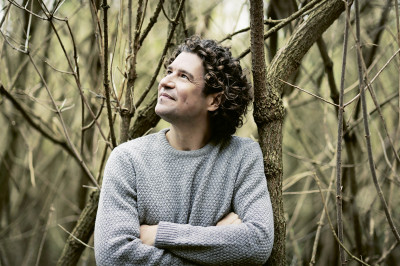
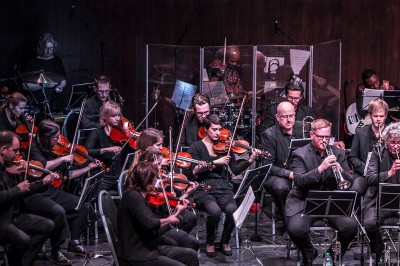
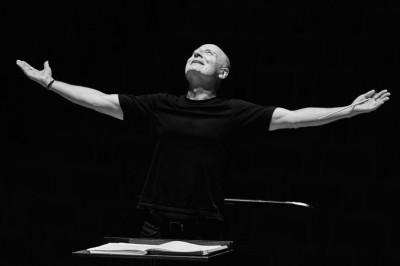
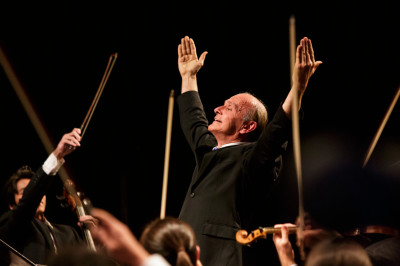
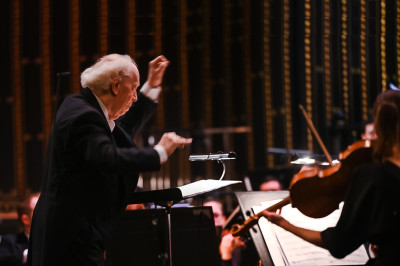
Following their hugely successful 2017 concert, world-famous conductor Marin Alsop—once a student of Leonard Bernstein—returns to Pécs with the Budapest Festival Orchestra, which now feels like a second home.
The program showcases stunning works by three distinctive composers who displayed exceptional musical talent and dedication from a young age. First, the horns elevate us to heroic heights in Richard Strauss’s symphonic poem Don Juan. One of Strauss’s most renowned and defining compositions, it brought him international fame at just 24. The proud, heroic theme played by four horns represents Don Juan’s masculinity and resolve, but the piece is more than an adventurer’s tale — it paints a musical portrait of desire, passion, and disillusionment. In a letter to his father after a rehearsal, Strauss wrote: “It is going extremely well. I was pleased to see that I have again improved in orchestration. It sounds wonderful, and everything is clearly heard, even though it’s very challenging. I truly pity the poor horn and trumpet players—they almost turned blue from blowing so hard; their parts are very exhausting. Luckily, the piece is brief. The sound was miraculous — intense, fiery, sensual. The work will have a powerful effect here.” An anecdote from the premiere remains famous: one horn player reportedly exclaimed, “My God, what have we done to deserve this punishment?” referring to the physical demands of the part. Then
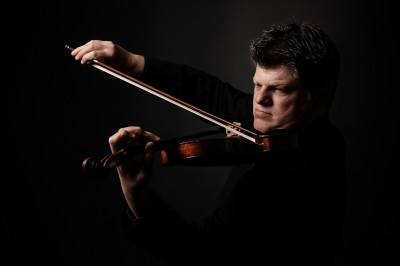
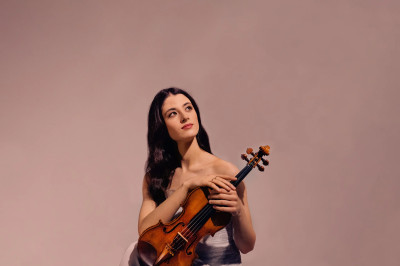
comes a rarely performed piece by one of America’s most renowned composers, Samuel Barber. Although the third movement—originally written for violinist Iso Briselli—was once considered unplayable by his teacher, it now gives Serbian-French violinist Nemanja Radulović the chance to dazzle audiences. Alongside his lyrical finesse, he will also showcase breathtaking virtuosity in the third movement. In the final segment, the program shifts continents again as Dmitri Shostakovich’s Symphony No. 5 delivers an emotionally powerful experience. Compared to his earlier, more experimental works, this symphony is more classical, transparent, and monumental in structure. But beneath this surface, a hidden message persists: at the time of writing, Shostakovich was marginalized by the Soviet regime, risking his very life. This tension—between outward conformity and inner rebellion—adds profound depth to the work. When it premiered in Leningrad in 1937, the audience responded with forty minutes of applause. They understood the message: Shostakovich was addressing them, their suffering.