

22.11.2024 19:30
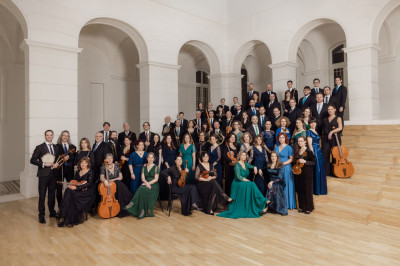
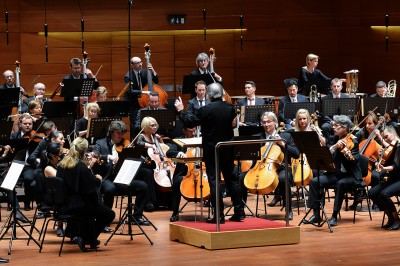
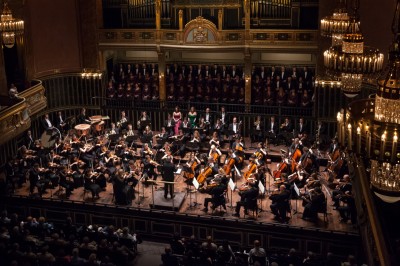
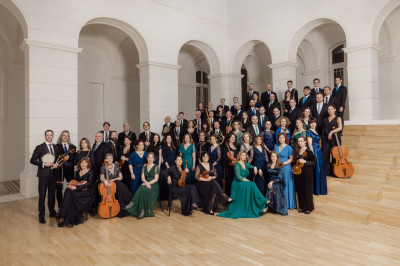
Orchestre Philharmonique Royal de Liège
Budapest, Liszt Academy, Grand Hall
Unikum Season Ticket - Budapest
Season tickets


Ticket discounts:
We offer a 10% discount for students and pensioners. Filharmonia Hungary season ticket holders can purchase tickets with a 20% discount by showing their season tickets! Individual discounts cannot be combined!
Tickets can be purchased at the Budapest office of the Filharmonia Hungary (1143, Budapest, Szobránc u. 6-8.), at the Liszt Academy and online at www.jegymester.hu.
We reserve the right to change the programmes, dates, venues, and performances, and ticket prices may change accordingly.


In this concert, death and passing are present even in a way that the composers never sayopenly. All three works were written in the last life period of their composers. Liszt's music has perhaps the most viral connection with mourning, but Elgar and Franck's music is also very melancholic an retrospective. It refers to earlier eras, genres, his own life story, and even former colleagues.
Franz Liszt's Funeral gondola (La lugubre gondola) was written when Liszt visited his old friend Wagner in the weeks before his death.
Edward Elgar's CelloConcerto was first performed in 1919, but the London premiere was such a failure that the composer almost completely abandones writing for the remaining 15 years. Audiences of the time thought of the work as old-fashioned and unnecessarily bitter.