

19.01.2027 19:30
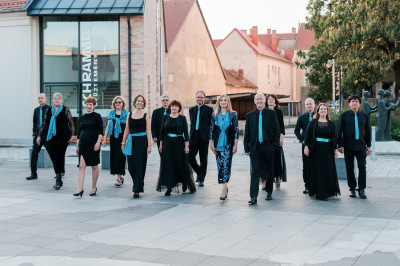
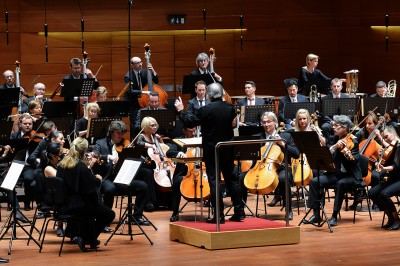
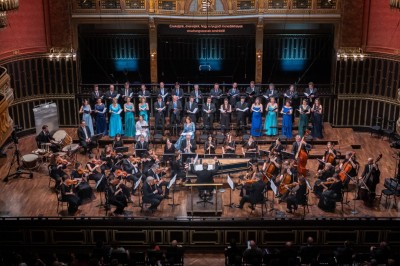
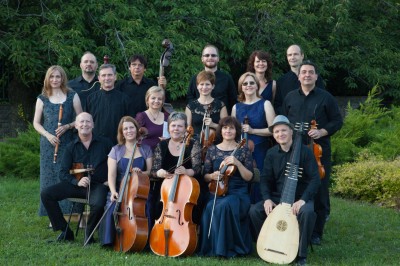
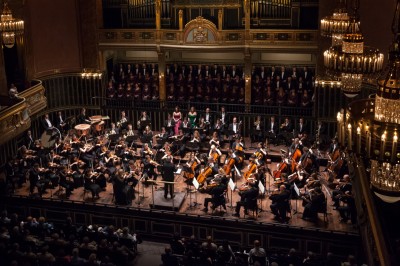
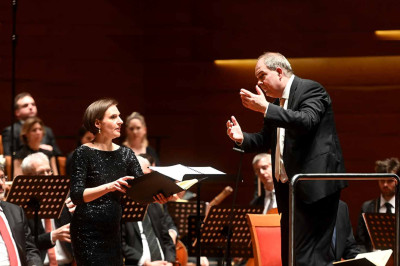
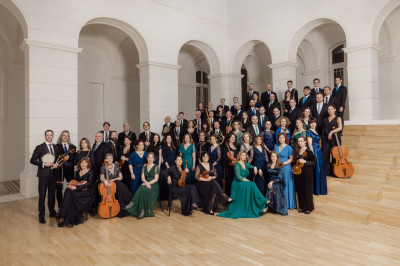
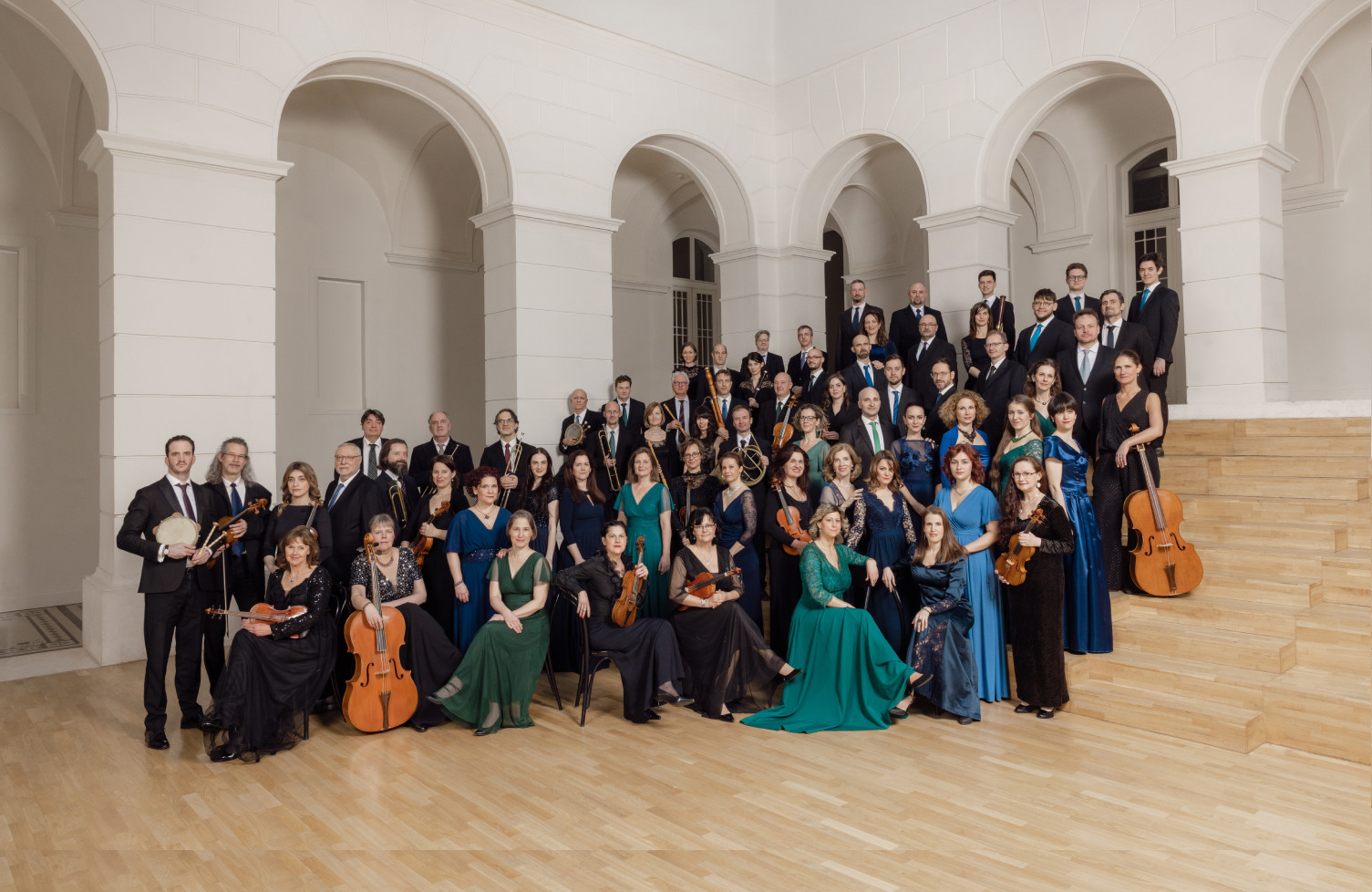
Orfeo Orchestra and Purcell Choir
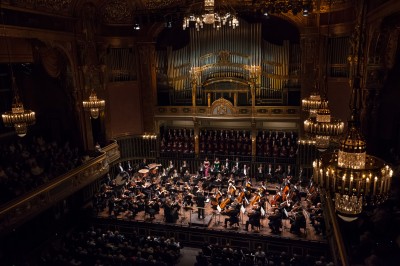
Budapest, Liszt Academy, Grand Hall
Unikum Season Ticket - Budapest
Season tickets

Tickets can be purchased at the Filharmonia Hungary office in Budapest by appointment (Szobránc St. 6–8, 1143 Budapest), at the Liszt Academy (Liszt Ferenc Sq. 8, 1061 Budapest), at the venue before the concert, and online at www.jegymester.hu.
We offer a 10% discount for students and pensioners.
Filharmonia Hungary season ticket holders are entitled to a 20% discount on tickets for adult concerts organised and sold by Filharmonia Hungary anywhere in Hungary, upon presentation of their season tickets. The discount applies to one ticket per season ticket, per concert.
The individual discounts cannot be combined.
We reserve the right to change the programmes, dates, venues, and performances, and ticket prices may change accordingly.


Bach’s vast collection of sacred music spans all seasons. His Passions are essential for Lent; the Christmas Oratorio is a highlight of winter celebrations; and his funeral cantatas, along with the Magnificat's thanksgiving hymn, are key parts of the liturgical year. Yet, these works are rarely performed together. The second concert in the Unikum
Series is unique because it combines pieces linked to different times and occasions. The cantata "Ich hatte viel Bekümmernis" (“I Had Much Affliction”) is not associated with any specific feast day and acts as a unifying piece, as its text blends ideas from various Psalms. Its spiritual focus is on trusting God through hardship and suffering.
Jesu, meine Freude is among Bach’s most complex and meaningful motets. It was probably written for a funeral and centers on a meditative reflection on the significance of a Lutheran chorale. The piece focuses on personal themes of faith, comfort, and hope that last forever. It ends with the Magnificat, a song of praise sung by the Virgin Mary in Luke when she visits her cousin Elizabeth, who is also pregnant. Traditionally, in liturgy, this text is linked to either summer or Advent. However, this evening, we explore all these emotions together: confidence, grief, and gratitude. One concert captures an entire year's worth of feelings.