

08.04.2027 19:00
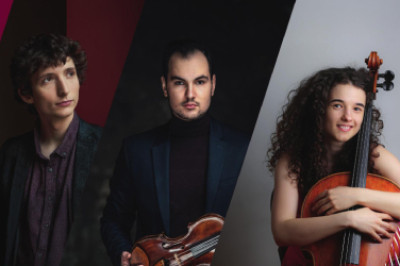
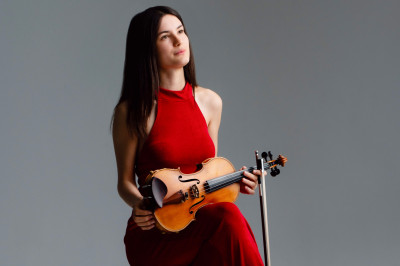
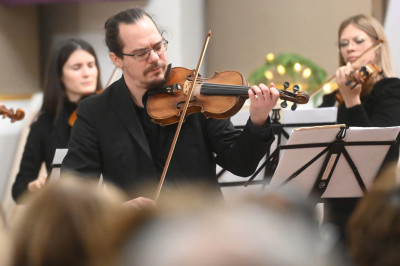
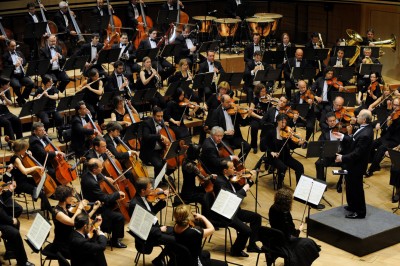
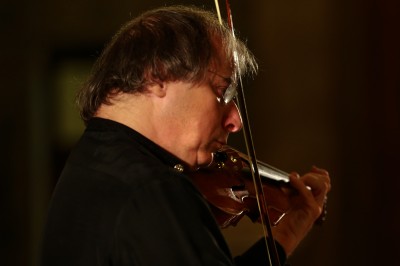
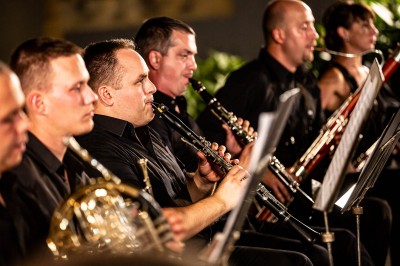
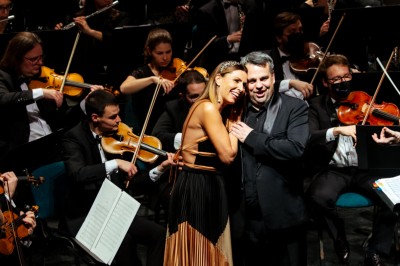
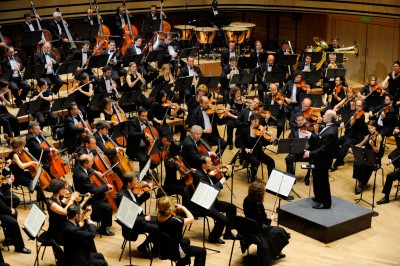
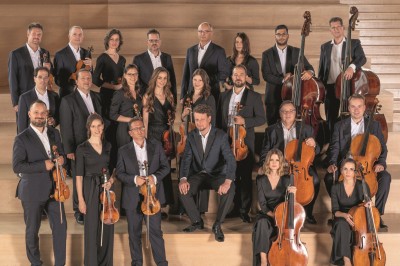
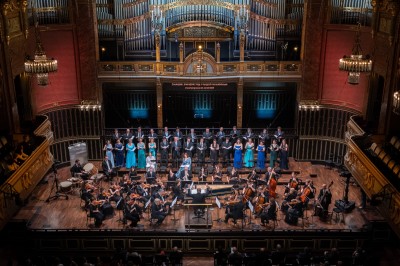
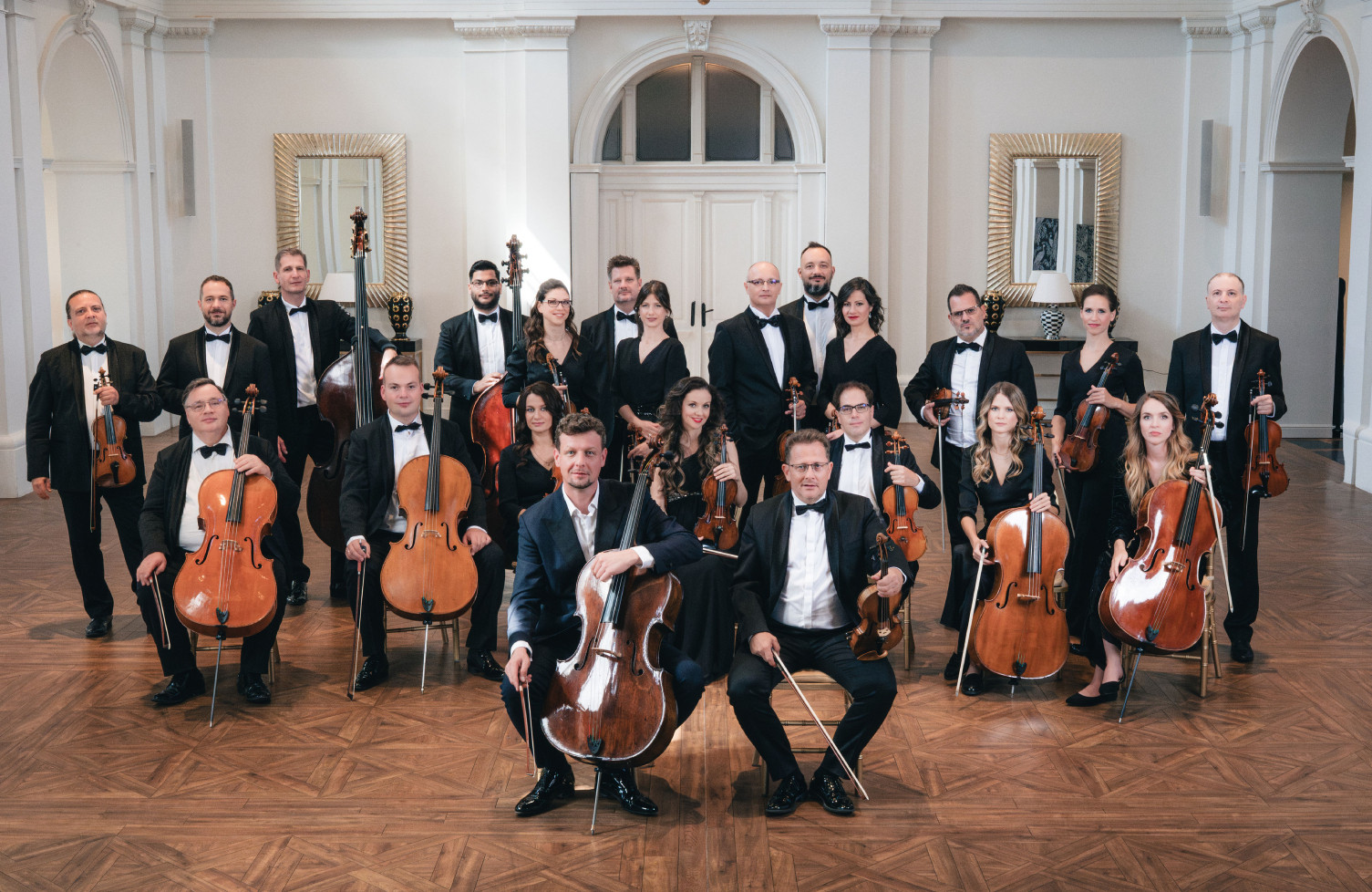
Franz Liszt Chamber Orchestra
Békéscsaba, Csabagyöngye Kulturális Központ
Filharmonia Season Ticket - Békéscsaba
Season tickets

Tickets are available from 3 October 2026.
Tickets can be purchased at the Filharmónia Magyarország office (Békéscsaba, Andrássy út 24–28, U-shaped building; +36 66 442 120; bekescsaba@filharmonia.hu), at Tourinform offices, and online at www.jegymester.hu.
A 10% discount is available for students and seniors.
Subscribers of Filharmónia Magyarország are entitled to a 20% discount on tickets for adult concerts organized and sold by us anywhere in the country, upon presentation of a valid subscription. The discount is valid for one ticket per subscription, per concert.
Discounts cannot be combined.
Subscribe to our newsletter to receive updates on classical music programmes organized by Filharmónia Magyarország, as well as information about any changes.
We reserve the right to change the programme, date, venue, and performers; ticket prices may vary accordingly.

FROM MENDELSSOHN TO MENDELSSOHN
When thinking of Romantic composers, figures like Richard Wagner, Franz Liszt, Johannes Brahms, and Anton Bruckner immediately come to mind, along with earlier pioneers such as Franz Schubert and Robert Schumann. Notably, Felix Mendelssohn, with his A Midsummer Night’s Dream; Antonín Dvořák, with his New World Symphony; and Edvard Grieg, with Peer Gynt, also stand out. This concert celebrates these last three composers, offering different perspectives on their work. Mendelssohn, for example, was only a teenager when he composed his twelve-string symphonies, which, though mainly exercises in composition, showcase his extraordinary skill and imagination. Dvořák is often known for his later, significant works, but he also loved dance, as evidenced by his Slavonic Dances, waltzes, and frequent dance influences in his music. Tonight, you can experience Dvořák’s dance spirit firsthand. Grieg’s Holberg Suite recalls the early Baroque period of the Norwegian-Danish writer Ludvig Holberg, with Grieg creating an imagined Baroque suite “from Holberg’s time.” Mendelssohn was just sixteen when he wrote his Octet in E-flat major, composed for a double string quartet. It invites comparison to Beethoven’s Op. 20, also in E-flat major, or to the nearly octet-like septet. Mendelssohn’s piece affirms his place among the top chamber music composers, confidently advancing the genre. Similarly, the Franz Liszt Chamber Orchestra, known for over fifty years as an
esteemed interpreter of Hungarian chamber music and small-ensemble orchestral works, continues this tradition.
Spend an evening with these masterful composers, their exceptional works, and their acclaimed performers.